Doing Things Alone as a Mom Is a Skill (Learn It)
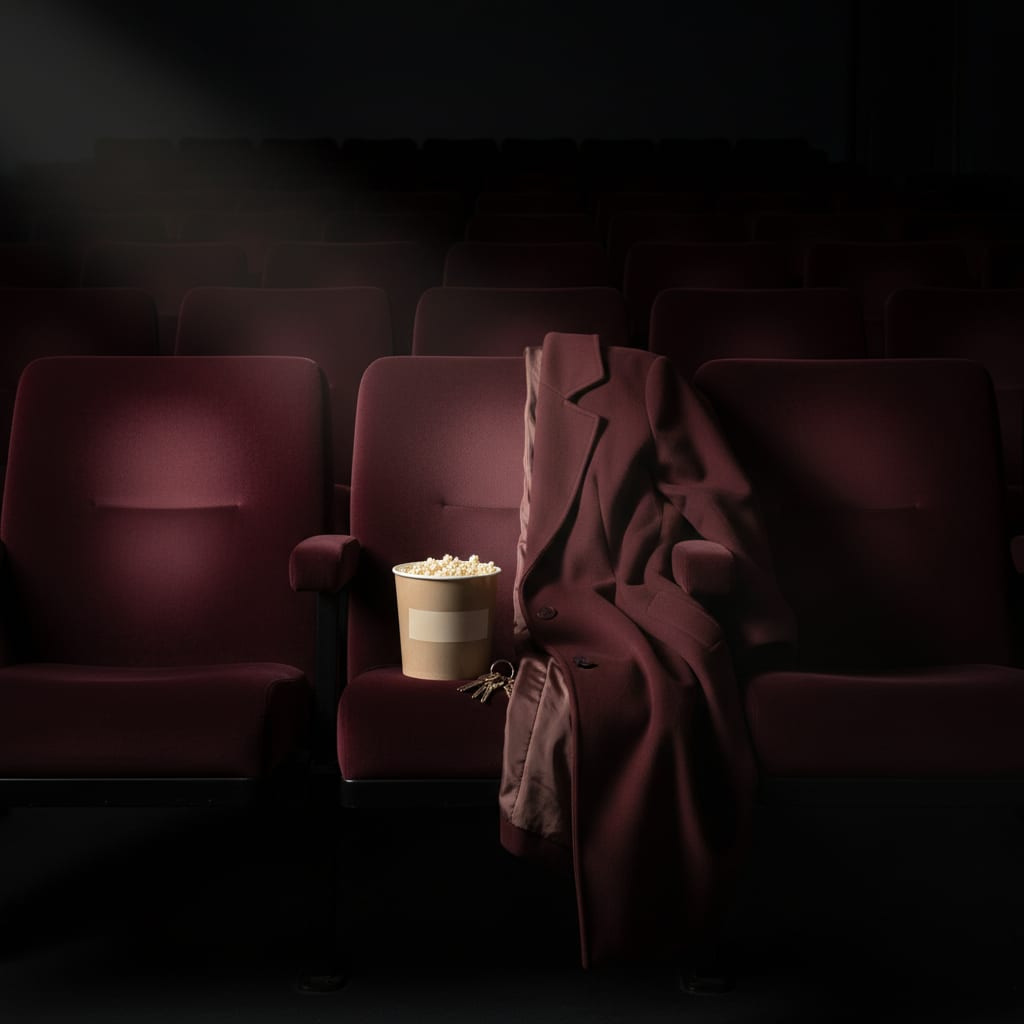
Going places by yourself is a skill, and like any skill it degrades when you stop using it. That’s the whole explanation for why a mother who once travelled for work now finds a solo coffee unbearable at minute eleven: not a personality change, not agoraphobia, not proof she doesn’t really want time off. Disuse. You’ve spent several years never being anywhere without a purpose, a deadline and at least one other person’s bladder to consider, and unstructured solitude in public has become an unfamiliar activity. It comes back. It comes back faster if you practise it on purpose, in ascending order of difficulty, starting well below the movies.
Why the first solo hour feels so strange
Nobody warns you about the specific discomfort, so it gets misread as a verdict.
You sit down with the coffee you were desperate for, and about eight minutes in something goes wrong. You feel conspicuous. You feel like you should be doing something. You start mentally listing what’s happening at home. You check the phone, then check it again, and then — the part that stings — you consider leaving early, and you’re not sure whether that’s love or cowardice.
It’s neither. It’s three ordinary things happening at once.
The first is vigilance that hasn’t switched off. Your attention has been running a background scan for four years — where is she, is that choking, is that the sound of a chair being climbed — and the scan doesn’t stop just because the child isn’t in the room. It keeps running with nothing to land on, and unlanded vigilance feels almost exactly like anxiety.
The second is the absence of a role. In every other setting you’re doing something identifiable. Alone in a café you are just a person occupying a chair, and if you’ve been defined by usefulness for a long stretch, un-useful is an unnerving state rather than a restful one.
The third is the exchange rate, which most of us are paying whether we mean to or not: this hour cost somebody something, so it had better be good, which is an enormous amount of pressure to put on a cappuccino. That’s the guilt ledger doing its accounting, and it makes every solo outing an audition rather than an outing.
The strangeness isn’t evidence you don’t need the time. It’s evidence of how long it’s been.
Start smaller than a movie
The standard advice — go do something for yourself! — hands a depleted person the hardest version of the task first. Two hours, dark room, no exits, nothing to occupy the hands. Of course it goes badly. It’s the equivalent of a first run being a half marathon.
Build it in steps instead, and let each one be boring:
Twenty minutes, purposeful. A single errand, alone, with an object. The pharmacy. The hardware store. It’s not restful, but it re-teaches your body that you can be out of the house without incident.
Forty minutes, semi-purposeful. Coffee with a book, or a walk with a destination. There’s a socially legible reason for you to be there, which quiets the conspicuousness, and there’s something to do with your hands and eyes.
An hour, unstructured. Sit somewhere with no task. This is the first genuinely hard one and the first genuinely restorative one — see what actually counts as rest for why the unstructured version does more than the busy version, even though it feels worse at the time.
Two hours, immersive. Now the movies. Now the museum, the long swim, the drive with no route.
Most of us try to start at step four, fail, and conclude that we’re just not people who enjoy this. We’re people who skipped steps one through three.
The movie, specifically
It’s worth its own paragraph, because it’s the best-value two hours available to a stay-at-home mother and almost nobody takes it.
Consider the design. It’s dark, so nobody looks at you. It’s loud, so your phone is useless and you know it. It has a fixed start and a fixed end, so there’s no decision to make about when it’s over — which matters enormously when you have no decisions left. And for two hours you are legitimately unreachable in a way that requires no negotiation and no apology, because the room has rules and the rules are doing the work for you.
The practical notes are dull and they’re the reason it works: a weekday matinée is emptier, cheaper and easier to leave the house for than a Saturday night; buy the ticket before you tell anyone, because a purchased ticket is a plan and an unpurchased one is a proposal; and pick the film you want rather than the film you can defend. The point is not cultural improvement. The point is two hours in which nobody says your name.
And accept the first time being odd. You’ll fidget. You’ll feel like you’re getting away with something. Around the forty-minute mark, usually, the vigilance finally puts its bag down, and you get twenty minutes of the specific pleasure of being nobody’s mother in the dark. That twenty minutes is the whole return on the investment, and it gets longer every time you go.
When the hour keeps not happening
Sometimes the obstacle isn’t nerve, it’s supply — the outings don’t happen because there’s no reliable window to put one in. If bedtime is a nightly two-hour negotiation with an unpredictable ending, no one is booking a 7:15 showing, and the answer isn’t more courage, it’s a bedtime that lands. That’s a fixable problem more often than tired parents expect; an outside plan for the nights — matched to your child’s age, adjusted as it changes — mostly buys back a predictable evening, which is the raw material every solo hour is made of.
And if the hour exists but you keep spending it on errands, that’s not a scheduling problem either. That’s the reflex to make free time productive so it can be justified, and it will quietly eat every window you ever get.
One small thing this week: pick step one. Twenty minutes, one errand, alone, phone in your pocket rather than your hand. Not a treat, not a reward — a rep. The treats come back once the muscle does, and the menu is there for when it does.
FAQ: doing things alone as a mom
Why do I feel guilty going out alone without my kids?
Because free time in this job is treated as an exception that must be earned and repaid rather than a normal part of the week. The feeling fades with repetition, not with reasoning — mothers who go out regularly report far less guilt than mothers who go out rarely, because routine events don’t trigger the accounting that exceptional ones do.
Is it weird to go to the movies by yourself?
It’s one of the few public activities where being alone is genuinely invisible: the room is dark, nobody’s talking, and half the audience isn’t looking at anyone either. It reads as unusual only in anticipation. In the actual seat, it’s the most anonymous two hours in town.
How do I stop worrying about the kids the entire time I’m out?
Give the vigilance somewhere to land before you go — one clear handover sentence to whoever’s in charge, one agreed contact rule — and then expect the first stretch to feel wrong anyway. The worry generally quiets around the half-hour mark, which is precisely why outings shorter than that feel unsatisfying rather than restful.
What if I genuinely don’t enjoy being alone anymore?
That’s usually disuse rather than a change in temperament, and it responds to graded practice: short and purposeful first, unstructured later. If solitude still feels flatly bleak after several honest attempts, the thing you’re short of may be company rather than quiet — worth reading alone versus lonely before you write off the whole category.
Three Good Reads
Depleted Mother Syndrome: The Name for Running on Empty
Depleted mother syndrome isn't a diagnosis, but the burnout it names is real. What the term describes, how it differs from tired, and where to start refilling.
October 11, 2026
Moms Don't Get Sick Days: Being Ill as a Stay-at-Home Mom
Moms don't get sick days, and at home there's no one to call in to. Why being ill as a stay-at-home mom feels so lonely, and how to ask for the day off.
October 7, 2026
Weaponized Incompetence: What It Is and What to Say
Weaponized incompetence is doing a job badly, or claiming you can't, so it lands back on someone else. How to spot it at home, test it fairly, and what to say.
October 7, 2026